

The color of the oil does not determine its quality.
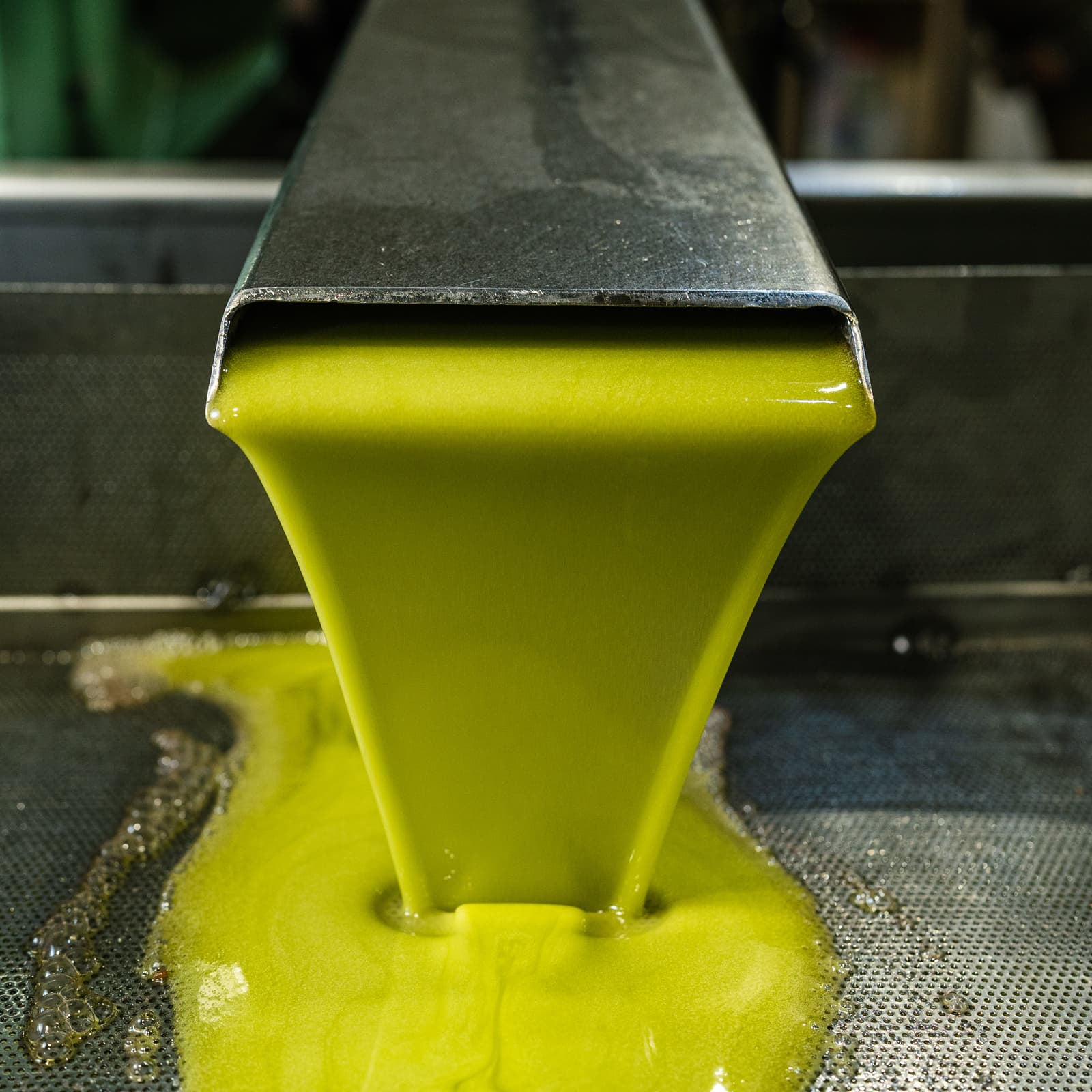
There are many factors that influence color, for example:
- The cultivar, in fact some varieties such as Verdello, tend to produce greener oils
emerald or Biancolilla which tends to produce more golden-yellow oils. - The degree of ripeness or harvest period, green olives (less ripe) contain
more chlorophyll which gives the green colour; riper olives instead contain more
carotenoids which give a straw-yellow colour. - Pedoclimatic conditions: soil, climate, sun exposure, irrigation and altitude
influence the chemical composition of the olive and consequently also the colour
of the oil.
Even professional tasters carry out tastings in colored glasses
precisely to prevent the color from influencing the judgment.
In essence, color is not a reliable indicator of quality, the only ones
The tools to rely on will always be smell, taste and analysis
chemicals.
Other news
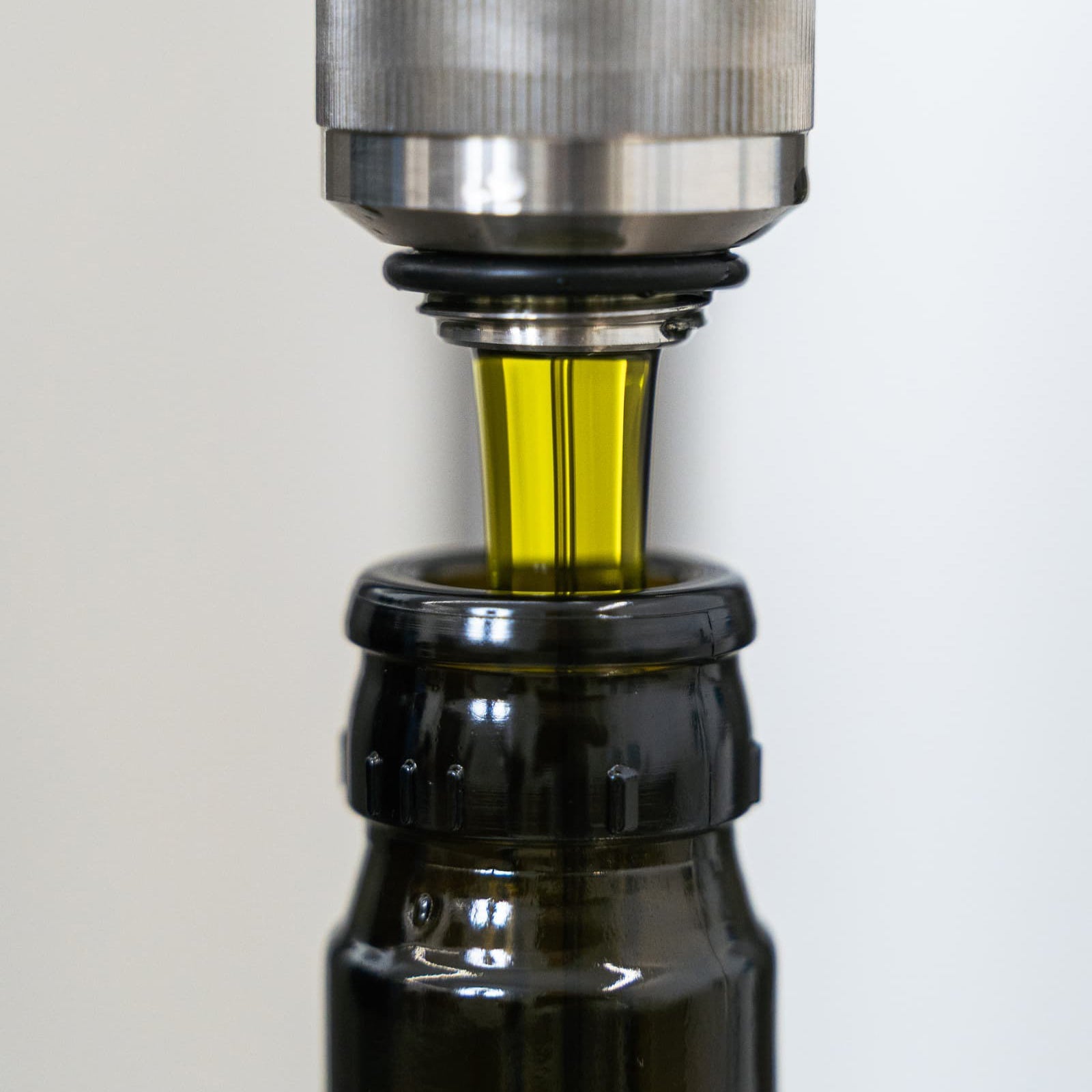
Nitrogen is an inert, colourless and odourless gas of food grade quality. It replaces the oxygen present and prevents oxidation (albeit minimal) from occurring in the headspace between the oil and ...
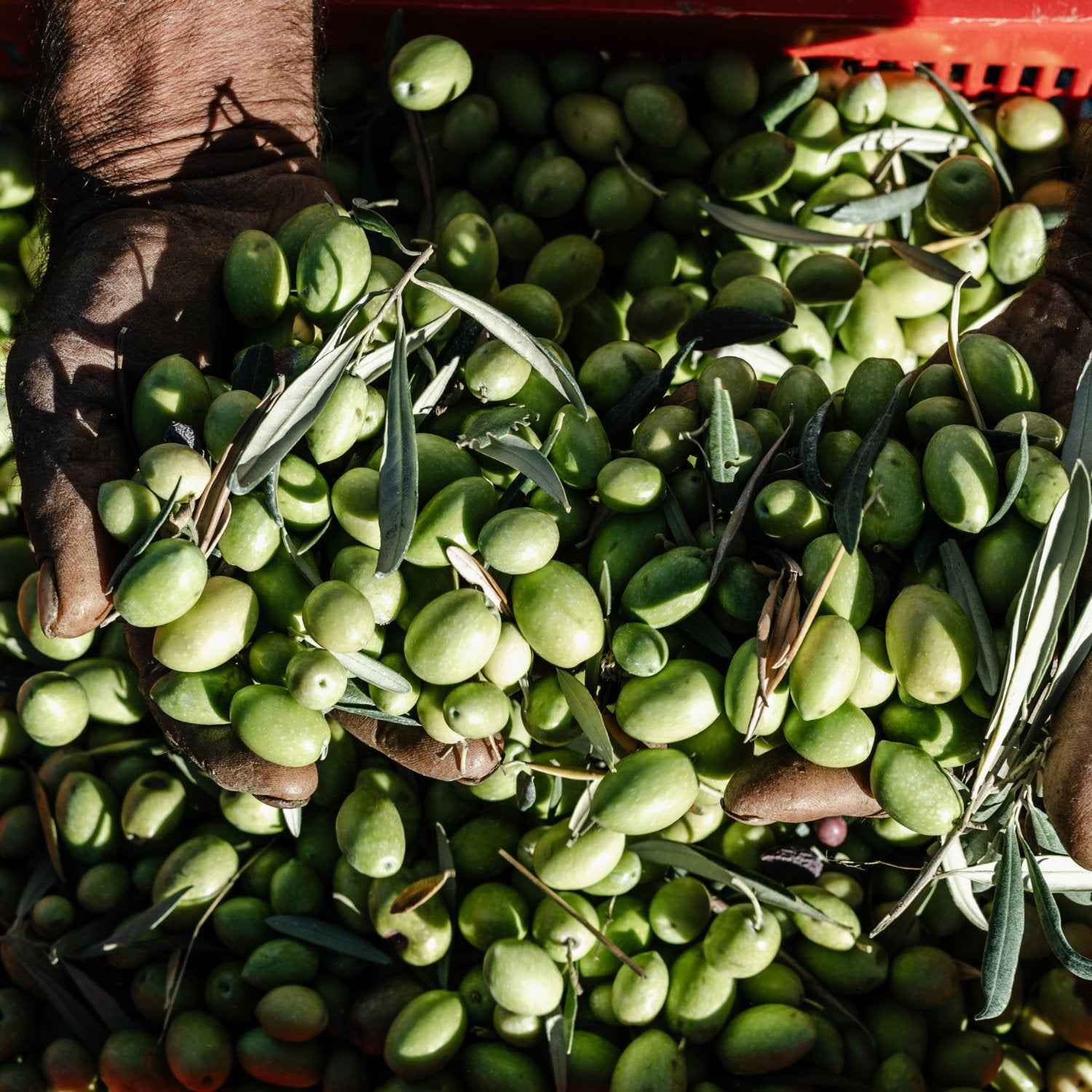
This oil is in fact the result of mixing a large quantity of chemically refined oils (therefore colourless and tasteless) with a small quantity of virgin olive oil, which simply serves to restore c...
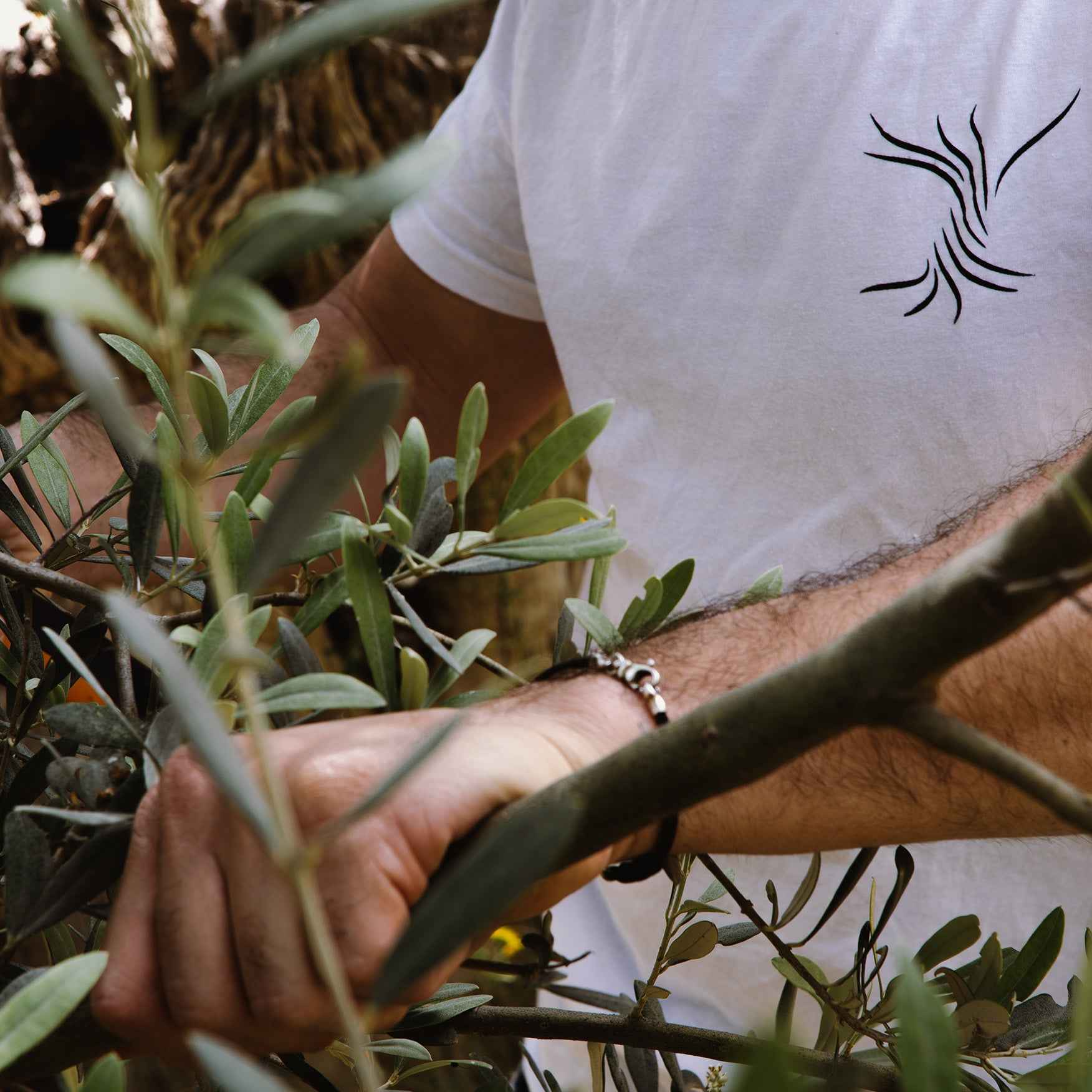
Our cultivars are all strictly native, but special mention must be made of CRASTU, a variety that grows in a very limited area between the provinces of Messina and Palermo, registered in the list o...
High-quality extra virgin olive oil is rich in phenolic compounds (oleocanthal, oleuropein, hydroxytyrosol, to name a few); these are natural substances that offer numerous health benefits thanks t...
In fact, by its very nature, it loses all its organoleptic and sensory characteristics over time, especially if stored in an open container. Always try to buy it in small containers or, alternative...